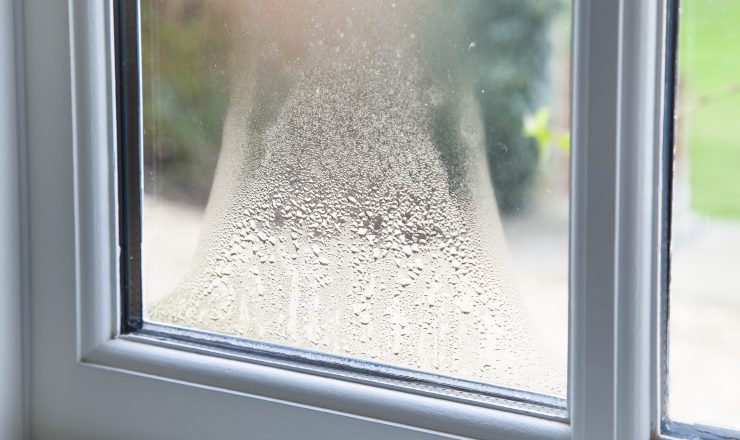
The Reasons Fogged Up Windows Is Harder Than You Think
Understanding Fogged Up Windows: Causes, Prevention, and Solutions
Fogged up windows are a typical yet often discouraging issue for car owners and property owners alike. The phenomenon occurs when the temperature level and humidity inside a glass surface vary significantly from those outside, resulting in condensation that obscures presence. Fogged windows can posture security risks while driving or hinder the aesthetic appeal and comfort of a home.
This article aims to explore the causes of fogged windows, preventive measures, solutions for defogging, and regularly asked questions to provide an extensive understanding of this widespread problem.
Causes of Fogged Up Windows
Misting happens when warm, damp air meets a cooler surface area, triggering the moisture in the air to condense into water beads. The following are the primary causes of fogged up windows:
Temperature Differences: When the outdoors temperature is substantially lower than the inside temperature, condensation is likely to take place. This is especially common in cold weather when warm air from a heating unit encounters cold glass.
Humidity Levels: High indoor humidity levels, often triggered by cooking, drying clothing, or bathing, add to fogging. When Misted Window Replacement -laden air comes into contact with a cooler window, condensation forms.
Breath and Exhalations: In cars, the breath of the guests can produce moisture that can lead to fogging, particularly during chillier months.
Poor Ventilation: Lack of appropriate air flow can intensify humidity levels inside a car or home, increasing the opportunities of condensation forming on windows.
Dirty Glass: Dirt and grime on windows can draw in moisture, making it more vulnerable to fogging. This is true for both home windows and vehicle windscreens.
Prevention of Fogged Up Windows
The old expression, “an ounce of prevention deserves a pound of treatment,” is extremely suitable when it concerns handling fogged windows. Taking preventive measures can substantially reduce the occurrence of fogging. Here are some reliable techniques:
For Vehicles:
- Use Defrosters: Most automobiles are equipped with defogging features. Use the defroster and cooling to control temperature and humidity levels.
- Keep Windows Clean: Regularly clean windows to eliminate dirt and gunk that can attract moisture.
- Use Anti-Fog Products: There are commercial anti-fog sprays offered that can be used to inside surface areas of the windshield to avoid condensation.
- Check the Cabin Air Filter: A clogged up or dirty cabin air filter can hinder correct air flow, resulting in misting issues.
For Homes:
- Improve Ventilation: Ensure great airflow by opening windows or utilizing exhaust fans when cooking or showering, therefore minimizing indoor humidity.
- Use Dehumidifiers: Invest in a dehumidifier to preserve ideal humidity levels.
- Seal Windows Properly: Check and reseal windows to lessen drafts that can lower glass temperature, causing condensation.
- Use Weather Stripping: Weather stripping can assist keep warm air inside, which can assist in keeping temperate conditions around the windows.
Solutions for Defogging Windows
When misting does happen, it's necessary to know how to successfully defog the windows to ensure security and clear presence. Here are practical solutions:
For Vehicles:
- Temperature Control: Adjust the automobile's air conditioning to a comfy temperature level while directing air flow towards the windscreen.
- Split a Window: Opening a window slightly can assist adjust the temperature differential and lower humidity levels inside the lorry.
- Wipe the Glass: Use a tidy, dry cloth to clean away condensation from inside the windscreen.
- Use a Fan: If the lorry has a built-in fan feature, turning it on can help flow air and distribute humidity.
For Homes:
- Use a Squeegee: Quick usage of a squeegee can effectively remove condensation from glass surface areas.
- Heat the Room: Increasing the indoor temperature can help in reducing condensation on windows.
- Apply Shaving Cream: A non-greasy shaving cream can be spread on the glass, which serves as a momentary anti-fog barrier.
- Switch On Exhaust Fans: In bathroom and kitchens, turning on exhaust fans can help decrease humidity from cooking or bathing.
Frequently asked questions
Q1: Why do my car windows fog up so quickly?
A1: Car windows can fog up quickly due to the difference in temperature level between the warm interior and cold exterior. Moisture from breath or humidity inside the automobile likewise adds to the problem.
Q2: Can fogged windows trigger accidents?
A2: Yes, fogged windows can impair exposure and increase the danger of mishaps while driving if not dealt with without delay.
Q3: Are anti-fogging items safe to utilize?
A3: Most commercially readily available anti-fogging items are specifically developed for vehicle or glass use and are safe when applied according to the producer's directions.
Q4: Does opening a window aid with fogged-up windows in an automobile?
A4: Yes, a little opening a window can assist to adjust the temperature distinction and lower humidity, making it a useful technique for reducing fogging.
Q5: What indoor humidity level is best to avoid fogging?
A5: Ideally, indoor humidity levels must be kept in between 30% to 50% to lessen the chances of condensation forming on windows.
Fogged up windows are an inconvenience come across by many, but understanding the causes, implementing preventive procedures, and understanding how to effectively deal with condensation can considerably reduce the issue. Being proactive not only boosts presence and security in automobiles but also adds to the comfort and aesthetic appeals of homes. Following the suggestions noted above can lead to clearer windows, whether in the house or on the road.